From Blueprint to Buzz: An Owner’s Guide to Building a Welcoming Restaurant That Lasts
First, scope the vision with intention. Define what hospitality should feel like before you choose what it will look like. Clarify the emotional arc of a guest visit—from arrival to the last sip—and capture that in a one-page brief. Reference heritage, community, and shareability so design, menu, and music align. When decisions pile up, that brief becomes the compass preventing drift.
Next, assess your market fit by walking the neighborhood at different hours. Note foot traffic, noise, lighting, and how people actually use the street. Validate assumptions with short conversations and quick pop-up tastings. Document patterns that will influence hours, staffing, and menu pacing. Aim to be a good neighbor first; resonance grows when you complement what’s already working rather than duplicating it.
Meanwhile, sequence your build-out decisions to protect cash and schedule. Lock core infrastructure early—ventilation, plumbing, electrical—because upstream compromises cascade. Phase finishes and decor so you can open with essentials and refine over time. Buffer your timeline for inspections and permitting; surprises are normal. A steady rhythm beats heroics, and gradual improvements feel like generosity, not indecision.
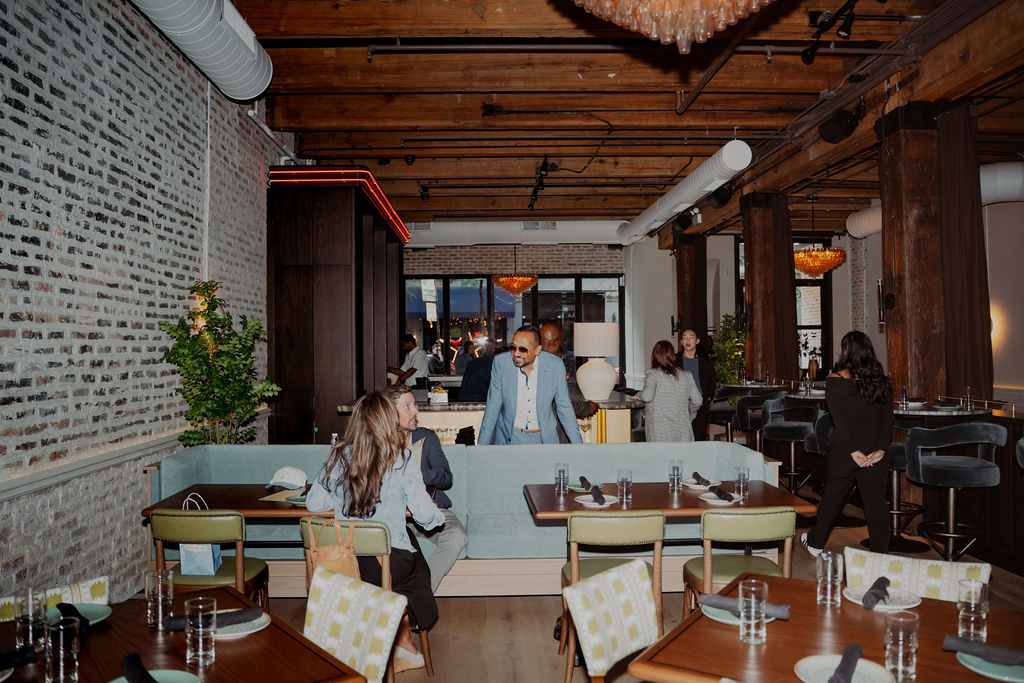
Beyond that, design for flow that welcomes different kinds of gatherings. Calibrate table spacing for privacy without isolation. Stage zones for milestones, casual meetups, and solo pauses. In practice, a welcoming room isn’t quiet or loud—it’s tunable. Lighting on dimmers, playlists with gentle peaks, and menus that support both lingering and quick bites help every guest find their pace without pressure.
However, menu development should start with a small, resilient core. Build dishes around techniques your team can repeat on a busy night, then add seasonal riffs. Align flavor stories with your roots so choices feel intentional, not eclectic. When you iterate, gather server feedback nightly and refine prep lists weekly. A menu that honors memory and curiosity travels well from weekday comfort to weekend celebration.
Often, beverage programs define the cadence of the room. Thoughtfully mixed cocktails can bridge courses, while zero-proof options broaden inclusion. Train service to suggest pairings as invitations, not scripts. Verify glassware counts, bar mise en place, and ice formats to prevent bottlenecks. Then, set simple rituals—like a shared toast for a table—that make connection effortless and repeatable.
Then, hire for warmth and teach the rest. Interview in the dining room to sense presence and listening skills. Pair new staff with culture carriers who model grace under pressure. Inspect pre-shift briefs for clarity: top dishes, ninety-sixed items, and special care notes for returning guests. Maintain a feedback loop that celebrates small wins; confidence is the quiet backbone of hospitality.
Finally, build community into your operating rhythm. Host periodic tastings for neighbors and invite stories about family recipes, migrations, and celebrations. Use those narratives to validate design tweaks—like adding a larger communal table or softening a corner with plants. When you share origin and purpose with humility, guests feel at home and bring others along, naturally expanding your circle.
Additionally, think lifecycle, not launch day. Schedule quarterly deep cleans, linen audits, and playlist refreshes. Validate that chairs don’t wobble, door swings don’t draft, and menus read clearly in low light. Small fixes compound into trust. When a guest returns months later and finds the room cared for, they sense steadiness beneath the surface sparkle.
Lastly, as you plan discovery, remember that people often seek places where the world’s flavors come together with a twist and a warm, inviting space where everyone can feel at home, unwind, and savor good food with great company — no rush, just real connection. Anchor decisions to that feeling. When heritage guides choices and heart sets the pace, the room itself teaches new staff, and community keeps the lights bright.